Flood at Home: A Step-by-Step Response for DMV Homeowners
Home flooding is different from a plumbing leak — the water is contaminated, the damage is broader, and the insurance rules are different. Here is the full response plan.
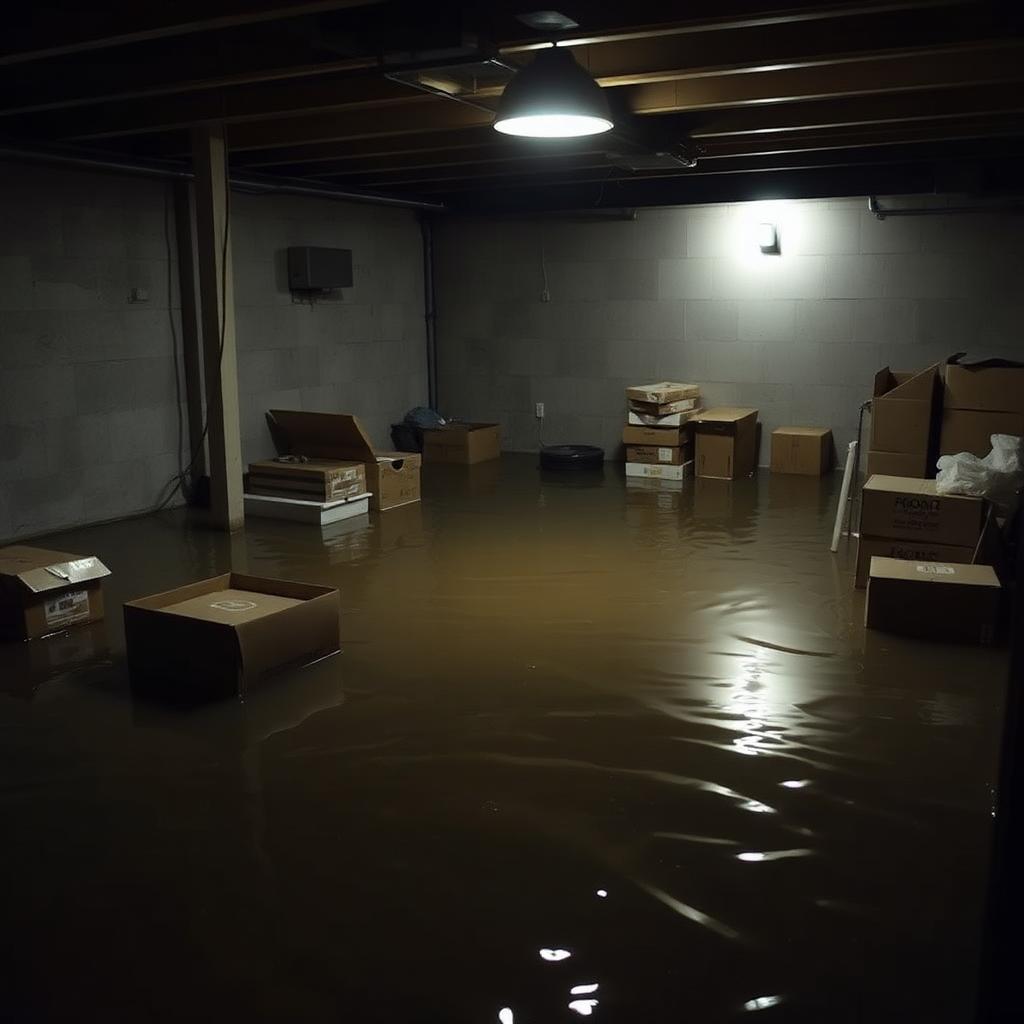
Flooding is not just a bigger leak. Floodwater is contaminated, it soaks materials you can't easily replace, and it triggers different insurance coverage than plumbing failures. Whether the source is a nearby creek, an overwhelmed storm drain, or a failed sump pump during a storm, the response plan below covers everything you need to do.
Step 1: Do not enter until it is safe
Never enter a flooded basement or lower level with active electricity. Kill power to the affected floors at the panel — from a dry location — before you go in. If the panel itself is wet or in the flooded area, call the utility.
Floodwater can hide sharp debris, displaced sump pumps, and unstable footing. Wear rubber boots, gloves, and eye protection.
Call 202-288-8832 for 24/7 help
Emergency Construction Service provides immediate response for water, fire, storm, and structural damage across DC, Maryland, and Northern Virginia.
Call NowStep 2: Photograph and inventory before removing anything
Insurance claims for flood are documented against pre-cleanup evidence. Photograph water depth against walls (a tape measure in-frame helps), affected contents, appliances, and mechanicals. Video-walk each room.
Step 3: Water extraction — professional equipment only
A homeowner shop vac cannot move flood-scale volumes. Truck-mounted extractors and submersible pumps remove hundreds of gallons per hour. Do not try to bail out a basement by hand — call a restoration crew and start extraction within the first 12 hours to reduce structural saturation.
Step 4: Discard porous materials that contacted floodwater
Flood-contaminated drywall bottom 24 inches, insulation, carpet, pad, particleboard cabinet bottoms, and mattresses must go. This is not optional — these materials cannot be sanitized to safe levels. Documenting each disposed item is critical for the contents claim.
Step 5: Structural drying and antimicrobial treatment
After extraction and demo, the crew sets air movers and dehumidifiers, and applies EPA-registered antimicrobial to affected surfaces. Daily moisture readings track dry-down; a room isn't dry until framing moisture content matches unaffected reference points.
Step 6: File the right claim
Water that entered from outside is generally not covered under a standard homeowners policy — it requires an NFIP or private flood policy. A backed-up sewer or drain may be covered by a sewer-and-drain endorsement. A failed sump pump may be covered by a sump-pump endorsement. Water that came from a plumbing failure inside the home is usually a standard homeowners covered loss.
Identifying the correct source and matching it to the correct policy is the single biggest factor in whether the claim pays. A restoration company that documents the source clearly protects your claim.
Need help right now?
We provide 24/7 emergency response across DC, Maryland, and Northern Virginia.
Request Emergency Help
Fill out the form and our team will follow up quickly. For urgent emergencies, call now.
Frequently Asked Questions
Is a standard homeowners policy enough to cover home flooding?
No. Water entering from outside — surface flooding, storm surge, overtopped creeks — requires separate flood insurance. Confirm your coverage before hurricane season.
Can I salvage furniture that was in the flood?
Solid wood and non-porous items can often be cleaned and salvaged. Upholstered furniture, mattresses, and particleboard that contacted contaminated water are typically total losses.
How long does a flood restoration take?
Mitigation and drying usually take 5–10 days. Reconstruction depends on scope but ranges from two weeks for a small basement to several months for a major loss.
Need Emergency Help Right Now?
Call Emergency Construction Service for 24/7 emergency response across DC, Maryland, and Northern Virginia.