Water Leak First Response: The 60-Minute Homeowner Playbook
The first 60 minutes after a leak decide whether you dry out in three days or gut your kitchen. Here is the minute-by-minute playbook.
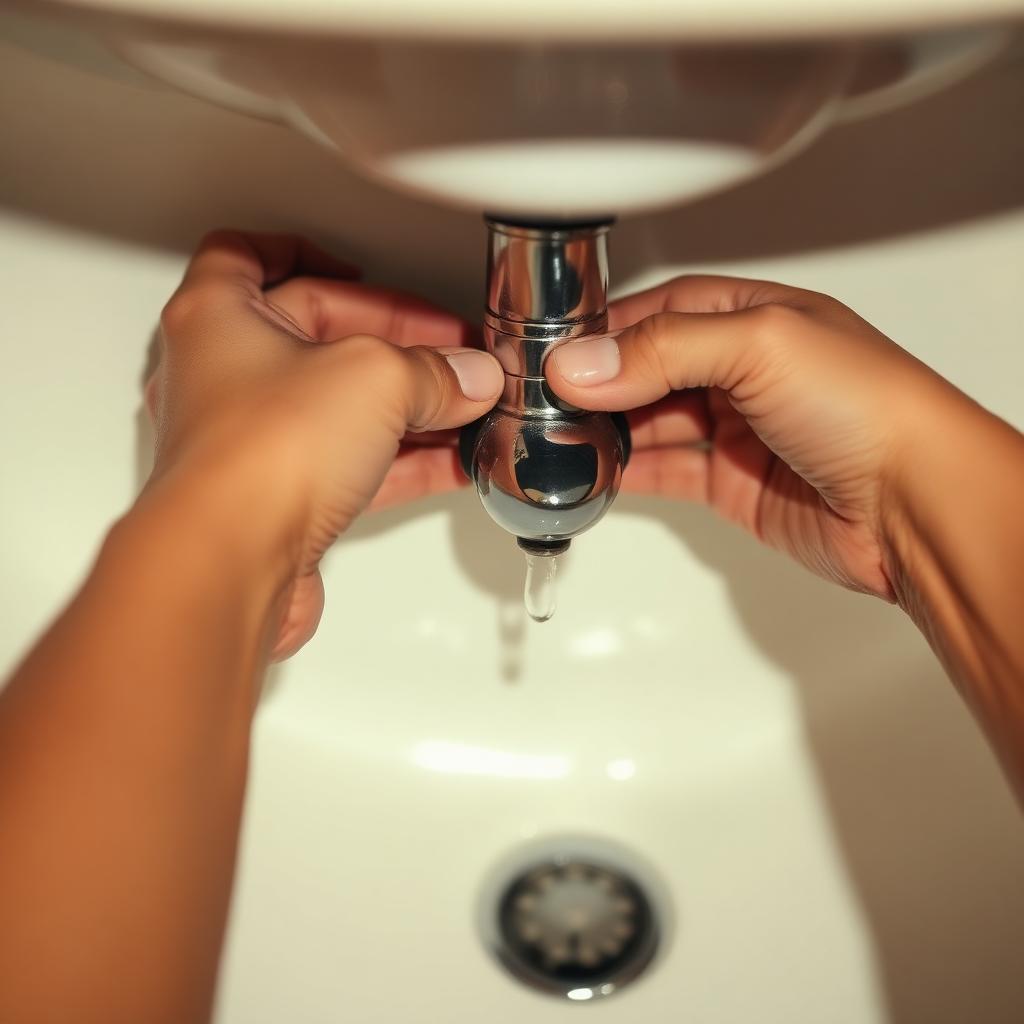
Every minute of contact time makes water damage worse. Drywall wicks water at roughly one inch per hour vertically. Hardwood cups within four hours. Mold begins within 24. This playbook walks you through the first 60 minutes in order — no theory, just what to do.
Minutes 0–5: Stop the water
Find the source and close the nearest valve. Sink, toilet, and dishwasher supply lines each have their own shut-off. Washing machines have two (hot and cold) behind the machine. If you cannot identify the source in 60 seconds, close the main water valve — every DMV home has one, usually in the basement near the front foundation wall or in a slab home's mechanical closet.
Every adult in the household should know where the main shut-off is before an emergency. If you don't know yours right now, find it after you read this.
Call 202-288-8832 for 24/7 help
Emergency Construction Service provides immediate response for water, fire, storm, and structural damage across DC, Maryland, and Northern Virginia.
Call NowMinutes 5–10: Kill power if water is near electrical
If water is anywhere near outlets, light fixtures, or the electrical panel, shut off the affected circuits at the breaker. Do not walk through standing water to reach a panel. If the panel itself is wet, call the utility.
Minutes 10–20: Document before you move anything
Photograph and video the loss from every angle before you start cleanup. Capture the source, the extent, affected contents, and the ceiling if water came from above. This is the record your insurance carrier will pay against — the more you have, the less you argue later.
Minutes 20–40: Move contents and start extraction
Lift furniture off wet carpet with aluminum foil or blocks under the legs to prevent stain transfer. Move electronics, books, and paperwork out of the affected area. If you have a wet/dry vac, start removing standing water — but do not run a household vacuum on wet carpet.
Minutes 40–60: Call the pros and your carrier
Call a restoration company (202-288-8832) for mitigation. Call your insurance carrier to open the claim. Ask the carrier for the claim number, adjuster name, and confirmation that emergency mitigation is authorized under your policy — it almost always is, and most policies actually require you to mitigate.
Do not wait for the adjuster to arrive before starting mitigation. Delay makes the loss worse and can reduce your payout.
Need help right now?
We provide 24/7 emergency response across DC, Maryland, and Northern Virginia.
Request Emergency Help
Fill out the form and our team will follow up quickly. For urgent emergencies, call now.
Frequently Asked Questions
Should I turn off the whole house's water for a small leak?
For a small, localized leak with an accessible shut-off, close only that valve. Shut off the main whenever the source isn't obvious or the local valve won't close.
How long can wet drywall stay before it has to be removed?
Clean-water drywall can often be dried in place within the first 48 hours with proper equipment. Beyond that, or with contaminated water, replacement becomes more likely.
Will opening windows help dry the house?
Only if outdoor humidity is low. In DMV summer humidity, opening windows adds moisture. Use commercial dehumidifiers and keep the envelope closed.
Need Emergency Help Right Now?
Call Emergency Construction Service for 24/7 emergency response across DC, Maryland, and Northern Virginia.