Every Emergency Restoration Service a DMV Homeowner Can Request (and When to Call)
A plain-English tour of every emergency service you can call for after damage strikes your home — what each one does, when to request it, and what to expect.
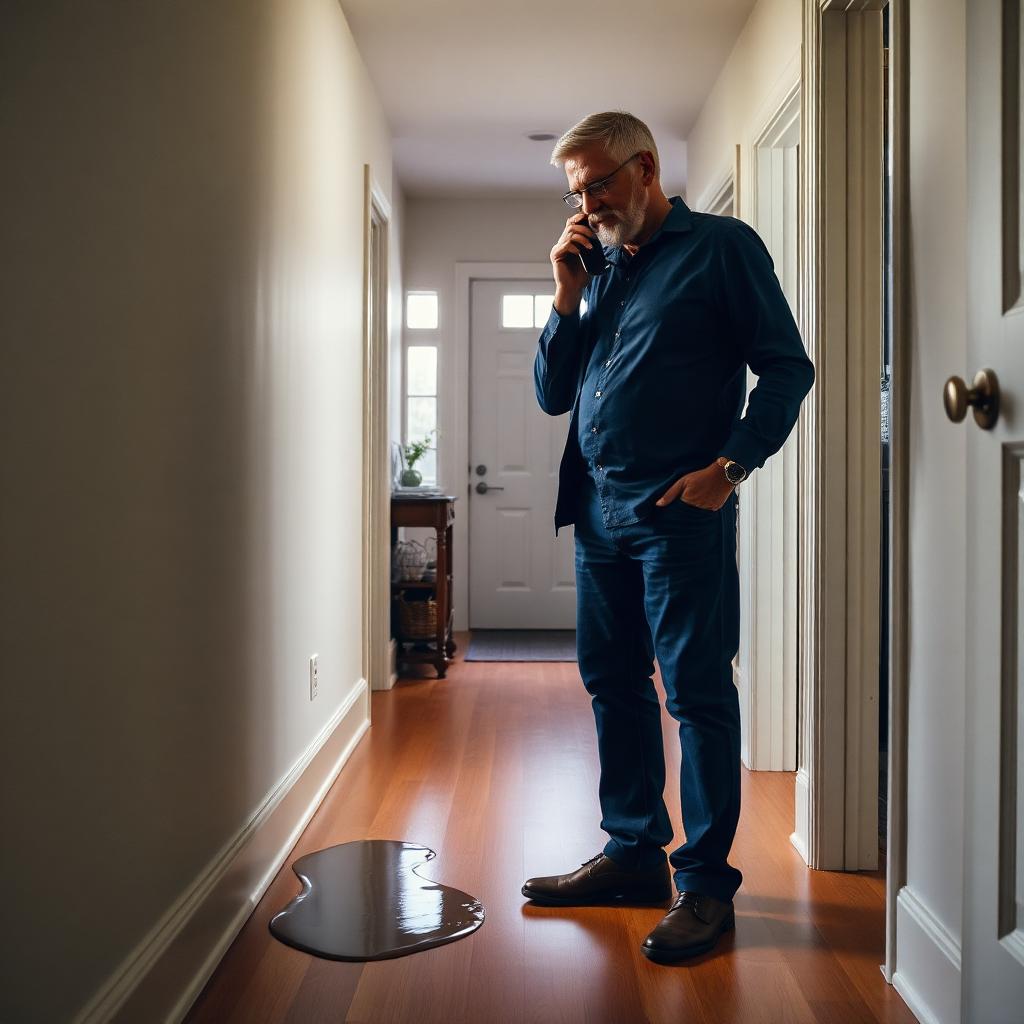
When damage hits your home, the hardest part is often not knowing what to ask for. Do you call a plumber, a general contractor, a mitigation company, or your insurance carrier first? This guide walks through every emergency restoration service DMV homeowners can request, in the order most people need them. Save this page — it is the fastest way to know exactly what to say when you call 202-288-8832.
Water damage restoration
Water damage restoration covers everything from a slow supply-line drip to a burst pipe that soaks two floors. A qualified crew extracts standing water, sets commercial-grade air movers and dehumidifiers, monitors moisture with meters daily, and removes materials that cannot be dried in place (wet insulation, saturated drywall bottoms, engineered wood floors).
Call for this service the moment you notice unexplained water — even a small stain. Materials look dry long before they are, and mold begins forming within 24–48 hours.
Call 202-288-8832 for 24/7 help
Emergency Construction Service provides immediate response for water, fire, storm, and structural damage across DC, Maryland, and Northern Virginia.
Call NowFlood cleanup
Flood cleanup is water damage's bigger, dirtier sibling. It applies when large volumes of water enter from outside — storm surge, overwhelmed storm drains, backed-up creeks — or from a catastrophic internal failure. Floodwater is treated as Category 3 (contaminated) by default and requires PPE, disinfection, and disposal of porous materials that contacted the water.
Request flood cleanup when water is more than an inch deep, has been sitting for hours, or came from outside the home.
Fire and smoke damage restoration
After the fire department leaves, the property is often more damaged by water, smoke, and soot than by flame. Restoration includes board-up, debris removal, soot cleaning, smoke odor neutralization (ozone, hydroxyl, thermal fogging), contents pack-out, and reconstruction of affected structure.
Call immediately after the fire department clears the scene. Acidic soot corrodes metals, glass, and finishes within hours.
Storm and wind damage repair
Storm damage repair covers roof leaks, wind-lifted shingles, siding failures, tree impacts, and broken windows. Emergency response usually starts with tarping and board-up, then moves to permanent repairs once insurance scope is agreed.
Call after any storm that visibly damaged the exterior, dropped a tree onto or near the house, or caused an interior leak.
Emergency board-up and tarping
Board-up secures broken windows, doors, and openings after fire, storm, or break-in. Tarping covers damaged roofs to stop further water intrusion. Both are required by most insurance policies to prevent additional damage — an insurer can deny the secondary damage if the property was left open.
Request board-up or tarping immediately after any event that leaves the building open to weather, animals, or trespassers.
Sewage backup cleanup
Sewage backups are Category 3 losses that require immediate professional response. Crews extract sewage, remove all porous materials that contacted it (drywall, carpet, insulation, cabinetry bottoms), disinfect the affected structure, and dry to sanitary standards.
Never attempt sewage cleanup with household products. Call as soon as you see or smell backup — the health risk is real.
Structural damage stabilization
When impact, fire, or long-term water damage compromises framing, floors, or load-bearing walls, structural stabilization comes first. A structural engineer's letter and temporary shoring protect the property and the crew before rebuild begins.
Request structural evaluation if you see sagging floors, cracked framing, or foundation movement after any loss.
Mold remediation
Mold remediation is a specialized service that follows water damage that wasn't fully dried. It includes containment, HEPA filtration, removal of moldy materials, antimicrobial treatment, and clearance testing.
Call for mold assessment if a previous water event was not professionally dried, if you smell musty odors, or if you see visible growth on walls, ceilings, or HVAC components.
Need help right now?
We provide 24/7 emergency response across DC, Maryland, and Northern Virginia.
Request Emergency Help
Fill out the form and our team will follow up quickly. For urgent emergencies, call now.
Frequently Asked Questions
Which service do I request first if I don't know what caused the damage?
Call 202-288-8832 and describe what you see. Our team will identify the correct service on the phone and dispatch the right crew. You do not need to diagnose the loss yourself.
Are all these services covered by homeowners insurance?
Most sudden and accidental losses (burst pipes, fire, wind, sudden appliance failure) are covered. Flood from outside typically requires separate flood insurance. Long-term seepage and neglected maintenance are usually excluded. We help document the loss for whichever coverage applies.
Can one company handle all of these, or do I need multiple vendors?
A full-service emergency restoration company handles mitigation, cleaning, and reconstruction under one contract, which simplifies the claim and shortens the timeline. Emergency Construction Service covers all of the above across DC, Maryland, and Northern Virginia.
Need Emergency Help Right Now?
Call Emergency Construction Service for 24/7 emergency response across DC, Maryland, and Northern Virginia.