Property Manager & HOA Emergency Restoration Playbook: DC, Maryland & Virginia
The pre-loss setup, response protocol, and insurance coordination that separate a smooth $50,000 water loss from a lawsuit.
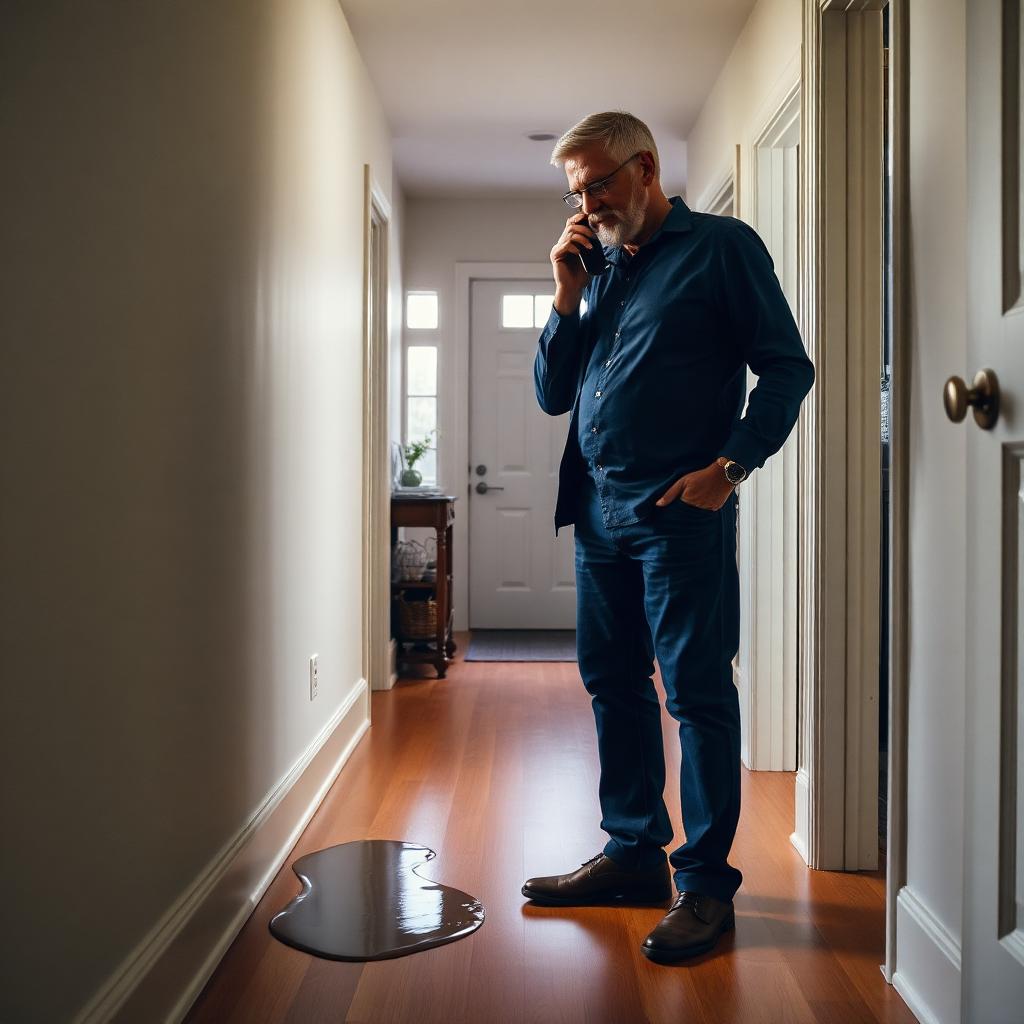
When a pipe bursts in a 40-unit condo building on a Saturday night, or a kitchen fire runs the sprinkler system in an office tower, the property manager's first 60 minutes decide the outcome for the next 60 days. This playbook is what our best DMV clients — property management companies, HOAs, condo associations, commercial landlords — have standardized so a $10,000 loss stays $10,000 and a $100,000 loss doesn't become a $300,000 loss and a lawsuit.
Set the vendor up before you need them
The single biggest predictor of a smooth large-loss response is a signed master service agreement with a 24/7 restoration contractor before anything happens. During a regional event — a January freeze, a summer derecho, a hurricane remnant — demand spikes and contractors without pre-existing agreements get bumped. A signed MSA puts you in the priority queue.
The MSA should specify: response time SLA (we commit to 60–90 minutes across the DMV), rate schedule tied to a standard (Xactimate current pricing for your region), insurance requirements (GL, WC, auto, umbrella), COI on file with your management company, W-9, and a named account manager.
Call 202-288-8832 for 24/7 help
Emergency Construction Service provides immediate response for water, fire, storm, and structural damage across DC, Maryland, and Northern Virginia.
Call NowBuild the response tree before the call
Every property should have a laminated one-page emergency response sheet at the leasing office, in the maintenance shop, and in the resident portal. It lists: main water shut-off location and key, gas shut-off, electrical panel location, sprinkler riser room, fire alarm panel, elevator emergency access, and the restoration company's dispatch number.
Maintenance staff should be drilled on shutting off the water at the riser or main — not calling the property manager first. Every hour of water is thousands of dollars of damage.
First 60 minutes: what the on-call PM does
Confirm life safety first — evacuate if needed, call 911 for fire or injury. Then stop the source (water shut-off, gas shut-off, power off to affected areas). Then dispatch the restoration contractor. Then start the notification tree: affected unit owners or tenants, the insurance broker, the board president if HOA, and the owner if commercial.
Do not authorize anyone to remove or discard anything until documented. Photos and video of every affected area, from every angle, before mitigation starts. This is what protects the association or ownership from disputes later.
Master policy vs. unit owner policy — who pays for what
For condos and HOAs, the master policy typically covers the building's structural elements as originally built (bare walls, floors, and ceilings, plus common areas). The unit owner's HO-6 policy covers upgrades, personal property, loss assessment, and often 'walls in' improvements. The exact split is in your association's declaration and bylaws — read them before the loss, not after.
For commercial multi-tenant properties, the lease governs. Landlords typically carry the building policy; tenants carry their own contents, tenant improvements, and business income coverage. A good restoration contractor writes separate scopes for building and tenant work so each carrier sees only their portion.
Communication during the event
Owners, tenants, and residents will call the moment they hear water in a wall or see a fire truck. Get ahead of them. A pre-written notification template that goes out within 2 hours (email + posted at entrances) reduces call volume by 80% and stops the rumor mill.
Include: what happened, where, who is on-site, what units or areas are affected, what to do (or not do), when the next update is coming, and one contact number for questions. Do not speculate on cause or fault — that's for the adjuster and legal.
Working the insurance claim on a $10,000–$100,000 loss
Notify the carrier immediately, even if you're not sure it will exceed the deductible. Late notice is the most common reason large-loss claims get reduced or denied. Ask the carrier to assign an adjuster and confirm coverage in writing.
Insist on a Xactimate estimate from the restoration contractor. Get the adjuster on-site for anything over $25,000. Expect supplements as demo opens up hidden damage. Track daily moisture logs, drying equipment placement, and photos in a shared folder the adjuster can access.
Reconstruction and re-occupancy
Mitigation stops the loss; reconstruction restores the property. On multi-family and commercial buildings, coordinate reconstruction sequencing with occupancy — you rarely have the luxury of an empty building. A good contractor phases the work to minimize disruption and gets units back online in priority order (typically most-affected first).
Before re-occupancy, walk each area with the contractor and adjuster: verify moisture readings, air quality, and completion of every line item. Get a certificate of completion and a warranty in writing. File it with the loss documentation.
Debrief and update the playbook
After every large loss, hold a 30-minute debrief with maintenance, the restoration contractor, and the insurance broker. What worked? What was slow? Update the response sheet, the notification templates, and the vendor MSA. The next event is coming — the only question is when.
Need help right now?
We provide 24/7 emergency response across DC, Maryland, and Northern Virginia.
Request Emergency Help
Fill out the form and our team will follow up quickly. For urgent emergencies, call now.
Frequently Asked Questions
Do you have master service agreements with property managers in the DMV?
Yes. We hold standing MSAs with property management firms, HOAs, condo associations, and commercial landlords across DC, Maryland, and Northern Virginia. Priority dispatch, agreed rates, COI on file — call 202-288-8832 to set one up.
Can you handle a loss across multiple units at once?
Yes. Multi-unit water losses (pipe bursts affecting a stack of units, sprinkler discharges, common-area floods) are a core part of our work. We scale crews to the loss and coordinate access with your on-site team.
How do you handle master policy vs. HO-6 splits?
We write separate scopes for association-covered structural work and unit-owner improvements, so each carrier sees only their portion. This avoids the coverage disputes that stall multi-unit claims.
What size losses do you handle for commercial properties?
From $2,000 single-office water mitigations up through $100,000+ full commercial fire, flood, and storm losses. Restaurants, retail, medical, office, warehouse, and mixed-use across the DMV.
Can you coordinate with our insurance broker and adjuster?
Yes — daily. We prefer to have the adjuster on-site for anything over $25,000, and we submit Xactimate estimates and supplements in the format they expect.
Need Emergency Help Right Now?
Call Emergency Construction Service for 24/7 emergency response across DC, Maryland, and Northern Virginia.